NEURODIVERSITY AWARDS
The Neurodiversity Awards, Japan aim to promote understanding of neurodiversity and build a society where each individual can demonstrate their unique strengths in their own respective places.
The promotion of neurodiversity can unlock new creativity and contribute to the development of society as a whole. Through this award, we aim to recognize outstanding achievements in technology, products, social actions, and more, while deepening understanding of neurodiversity and paving the way for greater diversity and inclusion in society. We welcome applications from a wide range of participants, including students, researchers, and businesses from all around the world.
About Neurodiversity
Many people struggle with a sense of ‘difficulty in living.’ They find it challenging to connect with others, have trouble fitting into society, and suffer from a lack of a place where they truly belong.
It has become increasingly clear that this struggle often has its roots in neurodiversity. When individuals are unable to fully demonstrate their strengths and face difficulties in various situations, they are often labeled as having a developmental ‘disorder,’ and their unique traits are viewed as problems.
However, the ‘difficulty in living’ that people experience arises from the interaction between individual traits and their environment. Many of the geniuses who made some of the greatest inventions in history are said to have had brains that functioned differently from the norm. For example, Elon Musk, a well-known entrepreneur, has publicly disclosed that he has Asperger’s syndrome (now recognized as part of Autism Spectrum Disorder: ASD, as per the DSM-5 criteria released by the American Psychiatric Association in 2013). Additionally, filmmaker Steven Spielberg has disclosed that he was diagnosed with dyslexia, a learning disability, and it is also said that he may have co-occurring autism spectrum traits. However, by placing themselves in environments where they could leverage their unique characteristics, these developmental traits have become strengths rather than disabilities. People with the same traits may become charismatic leaders or struggle with employment, depending on their environment.
We believe that by respecting individual traits and creating appropriate environments, we can transform what has been perceived as ‘disability’ or ‘difficulty in living’ into ‘strengths’ and ‘ease of living.’ Human brains and neurology are incredibly diverse, a concept known as ‘neurodiversity.’
We all have our unique characteristics, and the concept of neurodiversity applies to everyone. When the interaction with the environment crosses a certain threshold, individuals are labeled with ‘disabilities’ or ‘illnesses.’ The line between disability and ability, illness and health, is not clear-cut; it is continuous. Therefore, even those who are not labeled as having a disability or illness may feel a congenital difficulty in living in modern society. Some may develop mental health issues due to a lack of supportive environments and social maladjustment. Neurodiversity is an important concept not only for those with developmental traits but for everyone, as it is essential for living richly and authentically.
We are committed to promoting understanding of neurodiversity and working towards building a society where each individual can demonstrate their unique strengths in their own place.
EVALUATION CRITERIA

Innovation
Does the initiative introduce novel ideas, approaches, or systems that advance the understanding and practical implementation of neurodiversity?

Social Acceptance
Does the initiative foster understanding, engagement, and participation among diverse individuals and organizations, while creating a positive impact on society?

Sustainability
Does the initiative create lasting value beyond a short-term effort, with mechanisms in place to support its continued growth, impact, and long-term adoption?
APPLICATION REQUIREMENTS
・This award is open to all individuals and organizations interested in neurodiversity, including students, researchers, schools, companies, government agencies, and public interest foundations.
・Self-nominations and third-party nominations are both accepted.

HOW TO APPLY
・Applications will be accepted online. Please fill out the application form and attach a description of your work and any relevant materials.
・The application deadline is 【Sunday, September 13, 2026】.
・Please submit the required information using the application form below.
・Application Title
・Summary (approximately 500 Japanese characters / 250 english words)
*Please freely describe the purpose, overview, outcomes, impact, etc.
・Related URLs (website, reports, videos, etc.)
・Attachments (optional)
・Company/Organization Name
・Contact Person’s Name
・Contact Person’s Email Address
Regarding Attachments
・Maximum size per file: 5MB
・If you are unable to attach files, please email them to info<at>neurodiversityawards.org
SCHEDULE
Application Deadline: September 13, 2026
Judging Period: October 2026
Awards Ceremony: Early November 2026
The awards ceremony is scheduled to be held as part of the Chomoro 2026 (Change Tomorrow) event.
Award Ceremony
The awards ceremony is scheduled to be held as part of the Chomoro 2026 (Change Tomorrow) event.
■ Date & Time: Sunday, November 8, 2026, from 1:00 PM
■ Venue: Tokyo Port City Takeshiba, Office Tower
(1-7-1 Kaigan, Minato-ku, Tokyo 105-7590, Japan)
Judging Period: September 2026

judges
(Honorifics omitted)

Yuji Ikegaya
(Professor, Graduate School of Pharmaceutical Sciences)
YUJI IKEGAYA
As a professor at the Graduate School of Pharmaceutical Sciences, University of Tokyo, I specialize in neuropharmacology and neurophysiology, with particular expertise in neuronal plasticity and brain health. Since earning my Ph.D. in Pharmaceutical Sciences in 1998, I have focused on fundamental principles governing neuronal microcircuit function through multi-neuron recordings and computational analyses. My research has been featured in journals, including Science (2004, 2011, 2012, 2018, 2019, and 2024) and Nature Neuroscience (2014). Since 2018, I have directed the ERATO Brain-AI Hybrid Project, which aims to integrate AI chips into neural systems, expanding the conceptual and biological boundaries of intelligence.
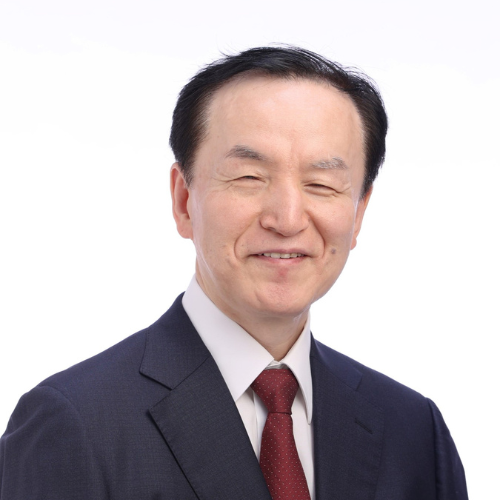
Jun Ishikawa
(Sociologist / Professor Emeritus, University of Shizuoka / President, Extra Corporation)
Jun Ishikawa
Jun Ishikawa lost his sight at the age of 16 due to retinal detachment. He graduated from the Faculty of Letters at the University of Tokyo, completed the master’s program in sociology at the University of Tokyo Graduate School, and completed the required coursework for the doctoral program. He holds a Ph.D. in Sociology from the University of Tokyo. After serving as a professor in the School of International Relations at the University of Shizuoka, he became Professor Emeritus of the university. His areas of specialization are sociology and disability studies. He has pursued research, education, and policy advocacy from a perspective that understands disability not as a matter of an individual’s traits or abilities, but in relation to the institutions, environment, and culture of society. He has also been engaged in the research and development of assistive devices that support the information access and daily lives of people with visual impairments, and he serves as President of Extra Corporation, a venture company founded out of the University of Shizuoka. He has held such positions as Chair of the Commission on Policy for Persons with Disabilities of the Cabinet Office, and member and Vice-Chair of the United Nations Committee on the Rights of Persons with Disabilities, working on the development of disability policy frameworks as well as on international review of, and recommendations on, the implementation of the Convention on the Rights of Persons with Disabilities. Moving among the perspectives of a researcher, a participant in policymaking, and a person with a disability himself, he works to guarantee the human rights of people with disabilities, to improve information accessibility, and to build systems that enable people with diverse characteristics to participate in society.

Ken Endo
(Senior Researcher, Sony Computer Science Laboratories Inc. / Chief Executive Officer, Xiborg)
KEN ENDO
Ken Endo is a senior researcher at Sony Computer Science Laboratories Inc., and CEO of Xiborg Co., Ltd. Endo received his PhD as a member of the Media Lab’s Biomechatronics group. At Sony CSL, he works on the technology that rehabilitates and augments human physical capability, such as prostheses and orthoses. His team has developed an athletic prosthesis for para athletes including medalists of Tokyo Paralympics and other world championships. He has been named to MIT Technology Review’s list of top innovators under 35 (TR35). He has also been chosen as a Young Global Leader 2014 by the World Economic Forum.

Miyuki Torii
(Comedian)
Miyuki Torii
Born in Akita Prefecture and raised in Saitama Prefecture. A Japanese comedian best known for the catchphrase “Hitto Endo Rān” (“Hit and Learn”). Reached the finals of the R-1 Grand Prix, Japan’s premier competition for solo comedians, in both 2008 and 2009, achieving back-to-back finalist appearances. Also appears on the NHK Educational TV (E Tele) program Dekoboko Pon!, and is certified as both a Child Development Support Specialist and a Developmental Disabilities Communication Supporter.

Gail Tripp
(Professor, Okinawa Institute of Science and Technology (OIST) / Director, The OIST Children’s Research Center)
Gail Tripp
Completed an honors degree in psychology, professional qualifications in clinical psychology and a PhD in neuroscience at the University of Otago, New Zealand. Following this she took up an appointment as a clinical psychologist in a large public hospital before returning to an academic position in the Psychology Department at the University of Otago. She taught graduate and undergraduate courses in adult and child abnormal psychology and graduate courses child assessment and intervention. At Otago, she established an active research program focusing on understanding the etiology and management of attention deficit hyperactivity disorder (ADHD) and supervised numerous undergraduate, Masters and PhD students. In 2007, she joined the Okinawa Institute of Science and Technology (OIST) initial research project first as Principal Investigator and then Professor of the Human Developmental Neurobiology research unit. With her team, she established the OIST Children’s Research Center to undertake research on the nature, etiology and management of ADHD with English and Japanese speaking children and families. Throughout her time at OIST she has taken an active role in helping to establish the Graduate University.
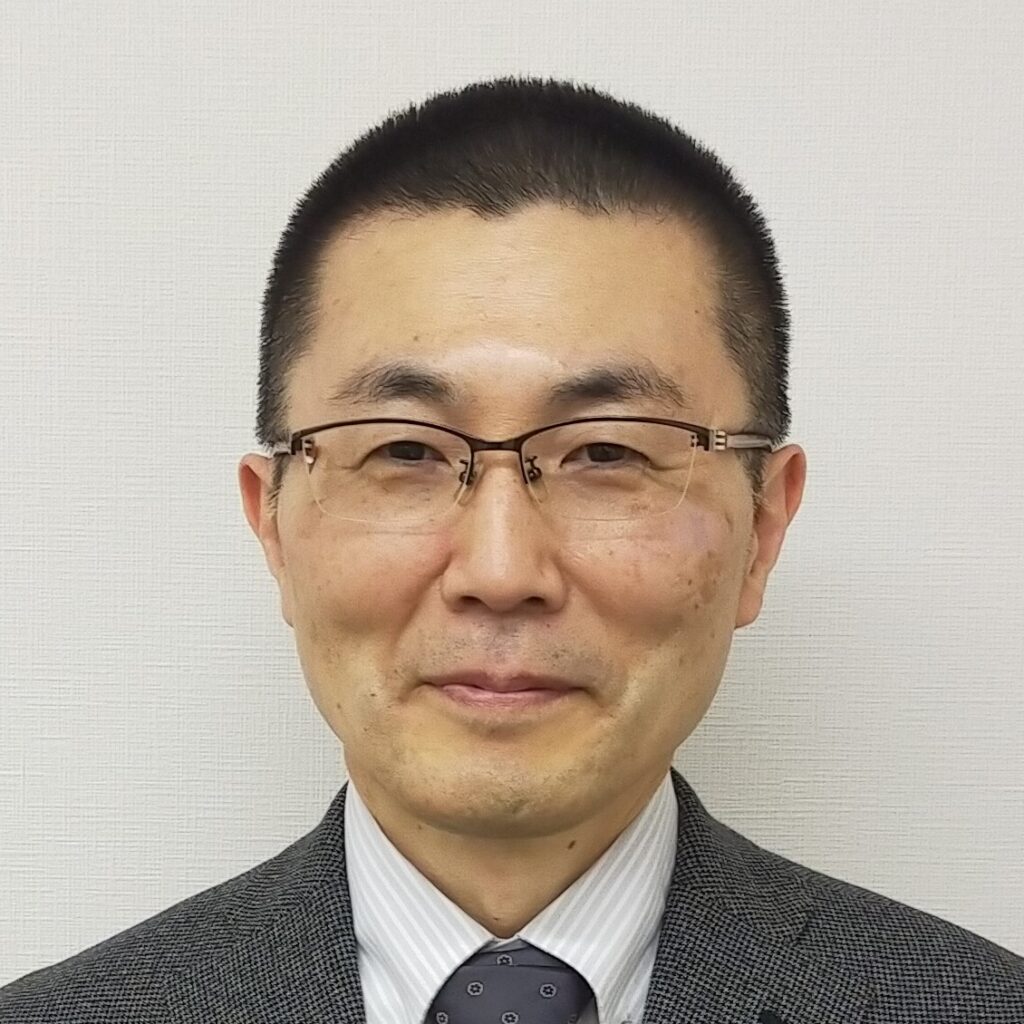
Hideo Honda
(Professor, Department of Child and Adolescent Developmental Psychiatry, Shinshu University School of Medicine / Director, Mental Health Clinic for Children, Shinshu University Hospital / Director, Nagano Information and Support Center for Persons with Developmental Disorders)
Hideo Honda
Graduated from the Faculty of Medicine, the University of Tokyo in 1988. Holds a Doctor of Medicine (M.D., Ph.D.). Specializes in developmental psychiatry. From 1991, he worked for approximately 20 years at the Yokohama Rehabilitation Center, where he provided clinical support for individuals with neurodevelopmental disorders and their families. In April 2011, he was appointed Director of the Yamanashi Prefectural Center for Psychological Development, following its establishment. Since April 2014, he has served as Director of the Mental Health Clinic for Children at Shinshu University Hospital. In April 2018, he became Professor of the Department of Child and Adolescent Developmental Psychiatry, Shinshu University School of Medicine. Since April 2023, he has concurrently served as Director of the Nagano Information and Support Center for Persons with Developmental Disorders. He is President of the Japanese Academy of Autism Spectrum, a Board Member of the Japanese Society for Child and Adolescent Psychiatry, the Japanese Society of Psychiatric Diagnosis, the Japanese Clinical Society for Adult Neurodevelopmental Disorders, and the Autism Society Japan.
Additional Notes
Publication of Submitted Materials
Submitted materials may be published on the official websites of the organizers and co-organizers. Please note that applicants’ names and affiliated organizations may also be displayed.
Use of Personal Information
Any personal information provided will be used only to the extent necessary for the administration of this award program. In the event of a lawful request for disclosure from a governmental or administrative authority, such information may be disclosed as required.
Photography and Video Recording at the Awards Ceremony
Photographs and video recordings taken during the awards ceremony may be used by the organizers and co-organizers for official purposes, including publication on websites, reports, brochures, and other promotional materials.
Revocation of Awards
An award may be revoked if any of the following circumstances are found to apply:
The submitted work infringes upon the intellectual property rights of a third party.
The recipient has caused significant harm to society or engaged in conduct that seriously damages public trust.
PREVIOUS AWARDS
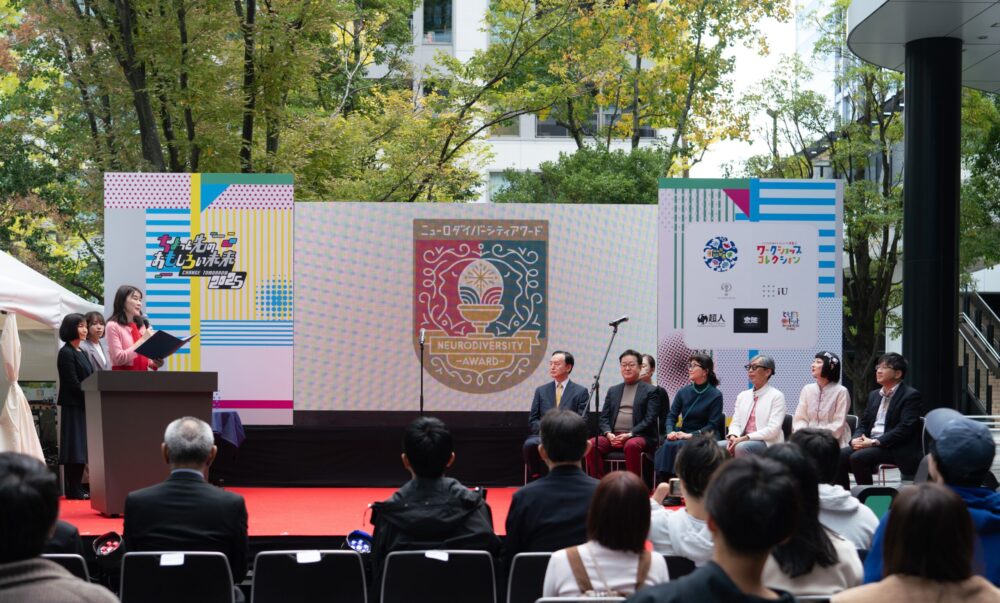
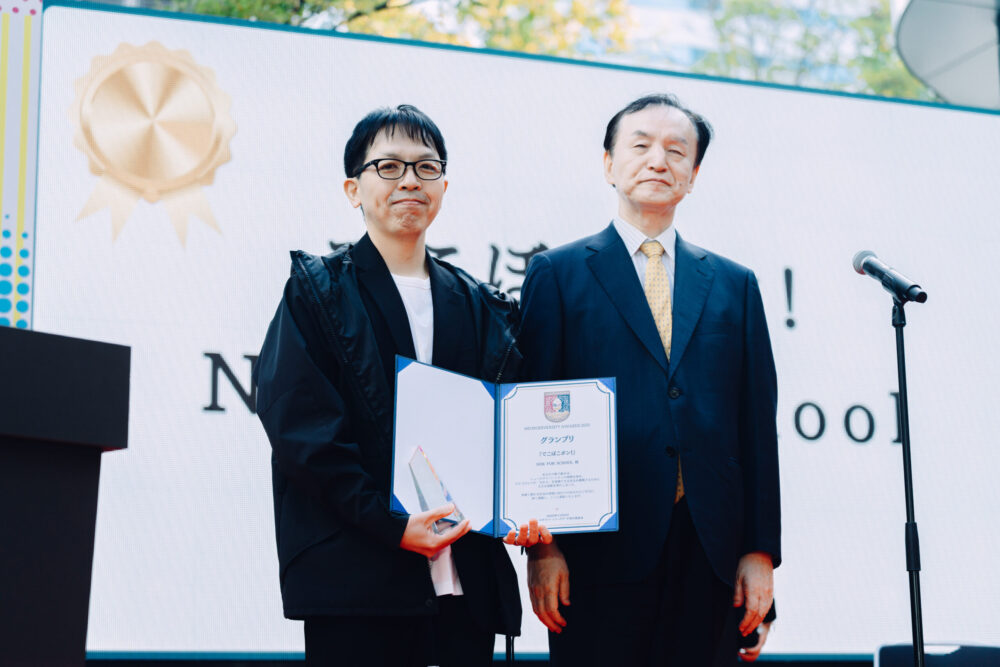
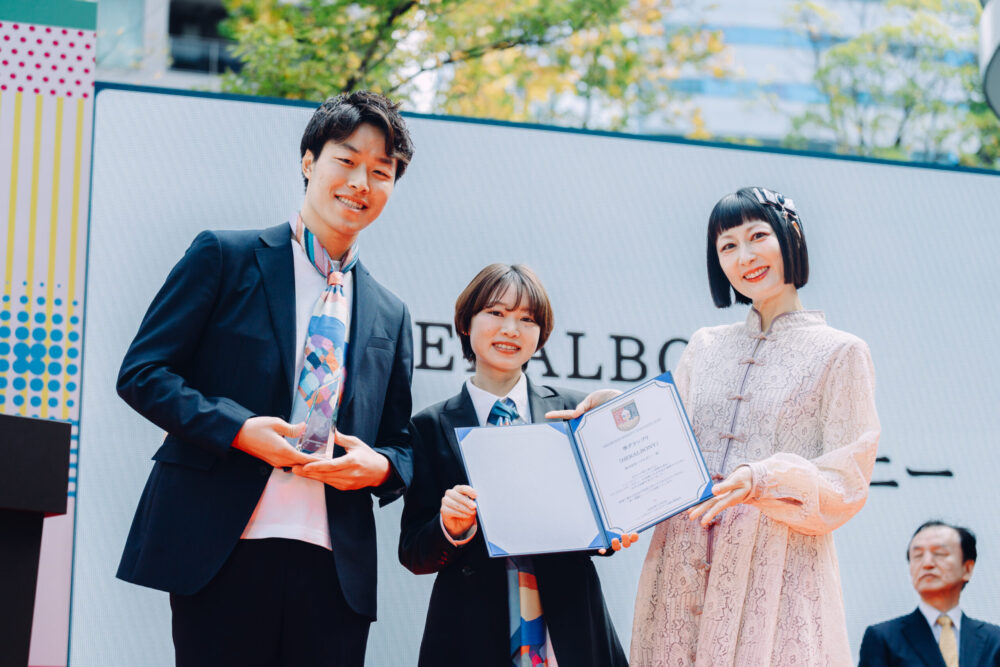
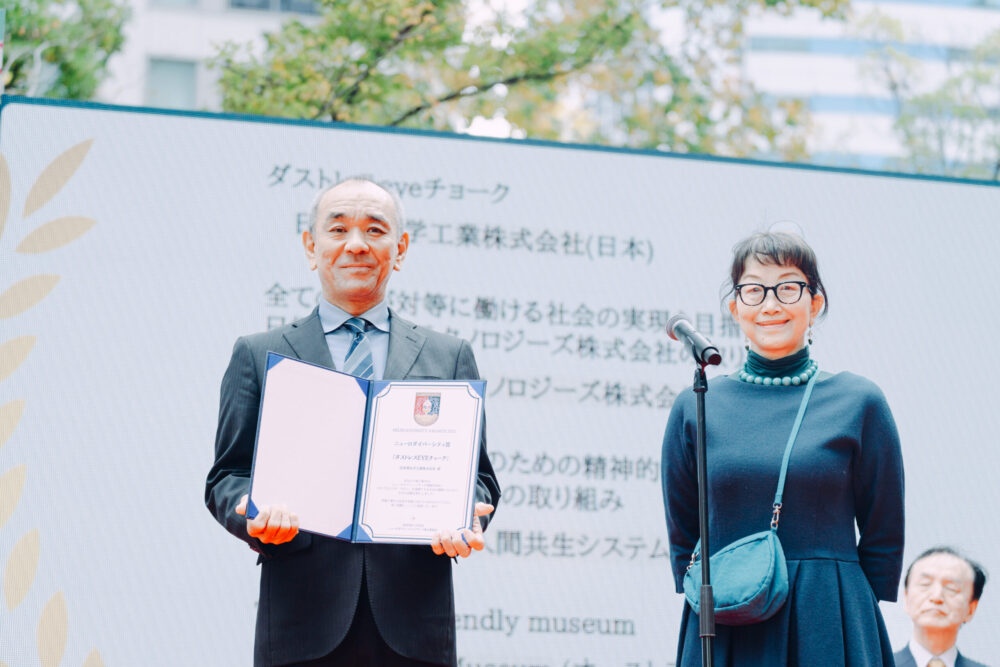
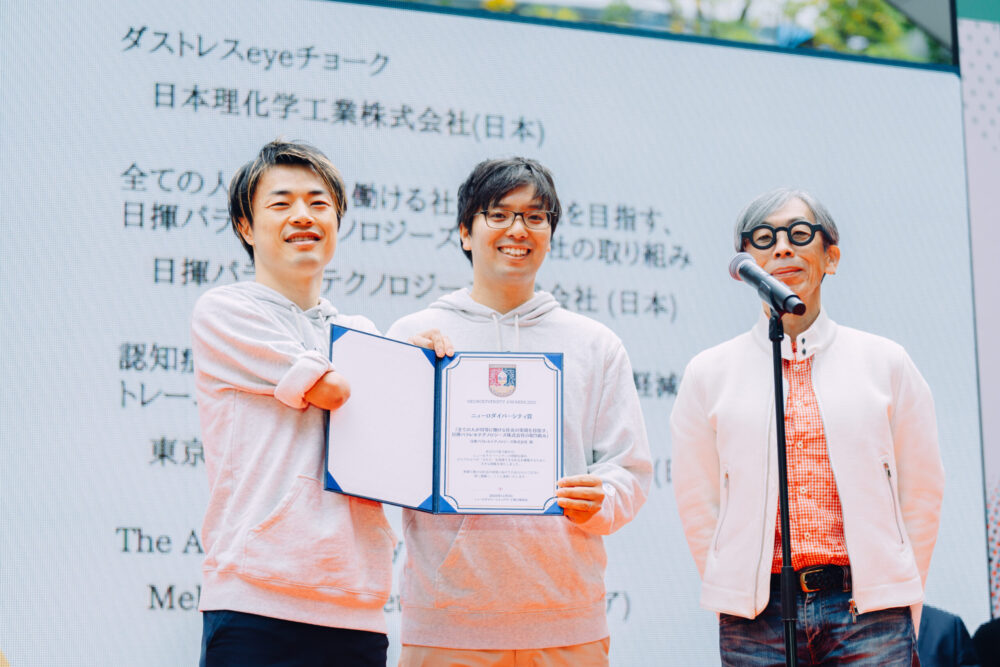
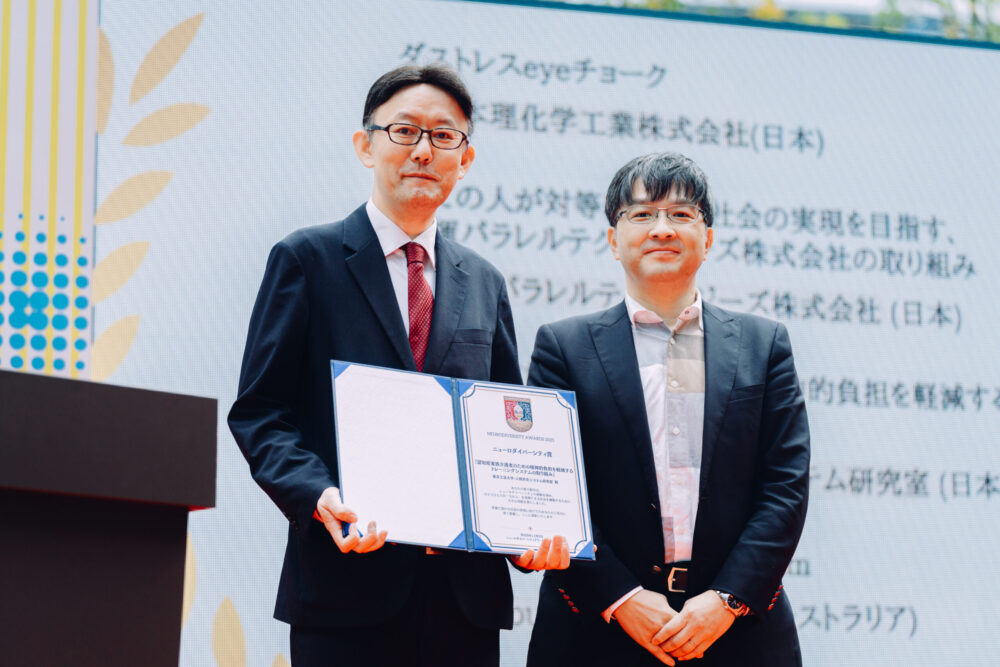
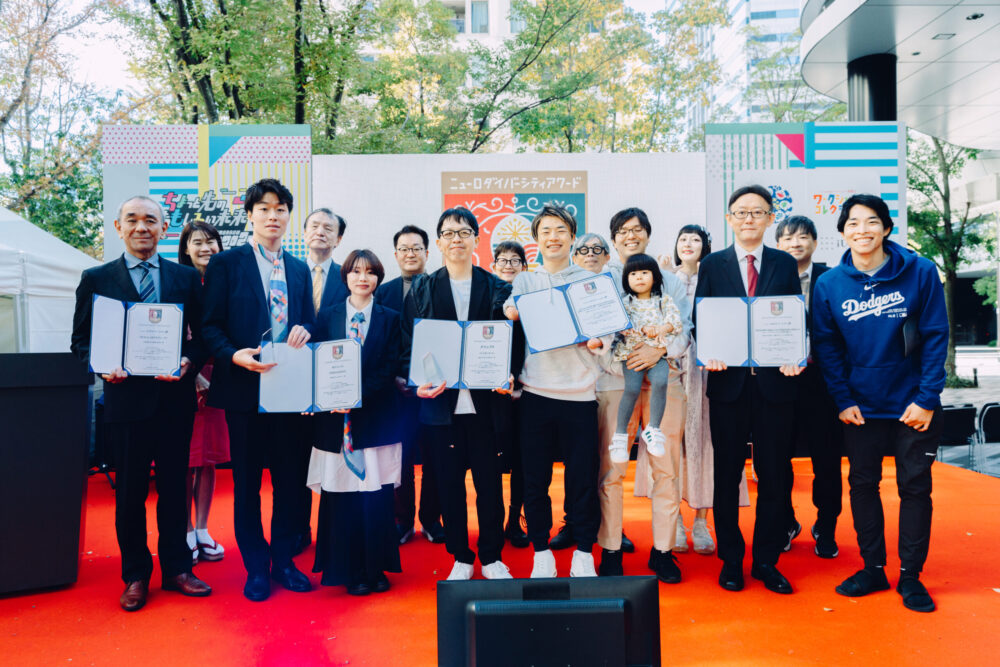
Neurodiversity Awards 2025
Neurodiversity Awards 2024